Resources
Tools, articles and practices for your well-being
Here you will find worksheets, meditations, video recordings, questionnaires and evidence-based articles to use on your journey to a life without burnout.
Worksheets
Befriending the Impostor
Three worksheets to help recognize and overcome impostor syndrome.
Sleep Diary
A daily self-observation tool to track sleep-wake rhythm, sleep duration, and other factors. Includes a 14-day summary and reflection.
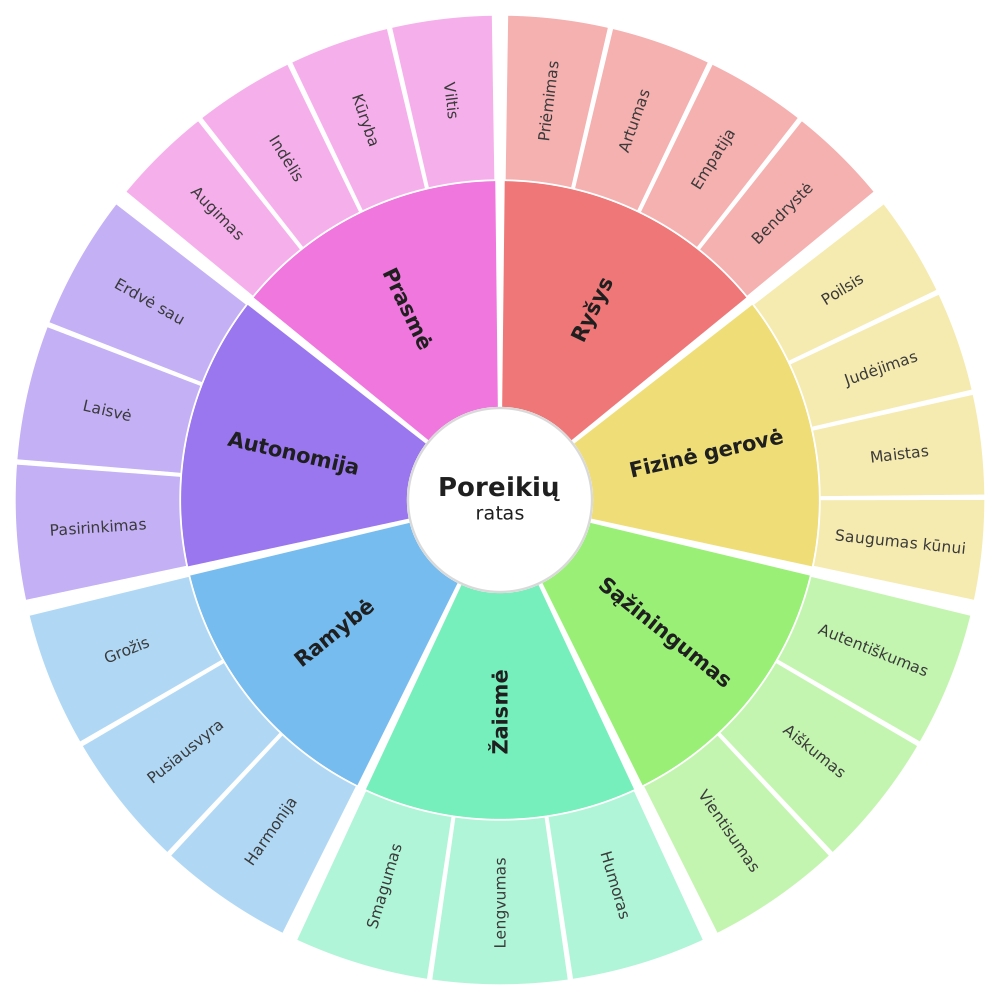
Steps to Clarify Your Values
A worksheet with exercises to help clarify your most important life values.
Wheel of Life
A worksheet based on Paul J. Meyer's method: rate your key life areas (current and desired situation) and plan concrete steps for change. Includes a two-stage workspace.
Priority Matrix
A worksheet to sort tasks by importance and urgency – helps you plan clearly and reduce overload.
Energy Diary
A worksheet to track your daily energy highs and lows – helps identify what charges or drains you.
Energy Tracking Diary
A 14-day diary: about 10 minutes a day to notice what charges and what drains you, from morning to evening.
Understanding Suffering
A two-week self-reflection worksheet to help you understand what holds you back from the life you want, where suffering comes from, and how the avoidance mechanism works. Based on ACT principles.
Not a test or a diagnosis, a self-reflection tool.
Articles
All articlesEvidence-based answers to the most common questions about burnout — recognition, stages, prevention, recovery and support.
How to recognise burnout? 12 signs based on scientific criteria
Burnout is recognised across three WHO dimensions: energy exhaustion, cynicism at work and reduced professional efficacy.
ReadRecognising burnoutHow is burnout different from depression and anxiety?
Burnout is tied to work, depression affects every area of life, anxiety disorders bring persistent tension and threat.
ReadFor organisationsBurnout training for organisations: what it must cover and how to choose
Effective training addresses three levels – individual, team and organisation – and follows a clear continuity plan.
ReadBreathing Guide
Choose a rhythm, press Start and follow the circle – it shows when to breathe in, hold and breathe out.
4–4–4–4 · focus and tension relief
Ready
4
Space: start/pause · R: reset
Meditations
Loving Kindness Meditation
A guided meditation to help cultivate kindness towards yourself and others.
Read about this practice
What is it?
A practice in which you quietly repeat warm wishes, such as "may I be peaceful", "may I be safe". You begin with yourself, then extend the wishes to someone close, someone neutral, someone difficult, and finally to everyone.
Where does it come from?
It comes from an ancient Buddhist tradition where it is called "metta", meaning kindness or friendliness. Today it is used in a fully secular way, and psychologists use it to build compassion for oneself and others.
Why does it work?
When we are tired or burnt out, a critical inner voice is often loud. This practice trains the opposite habit: meeting yourself and others with warmth. It is like a muscle that grows stronger with repetition. Warm feelings calm the body and help you feel more connected to others.
What does research say?
Studies suggest that regular loving kindness meditation can increase positive emotions, self-kindness and a sense of connection, and for some people reduce self-criticism and stress symptoms. The effect builds gradually over several weeks of practice.
Listening for the first time
If wishing yourself well feels strange or even hard, that is a very common experience. You do not need to force any feeling. Simply say the words and notice what happens. If starting with yourself is hard, begin with a person or an animal who is easy to love.
Body Scan Meditation
A guided meditation to help you relax and become aware of body sensations.
Read about this practice
What is it?
A practice in which you slowly move your attention through the body, from the feet to the head, and simply notice what you feel: warmth, coolness, tension, tingling or nothing at all. Nothing needs to change, you only notice.
Where does it come from?
The body scan became widely known through Jon Kabat-Zinn's Mindfulness-Based Stress Reduction programme (MBSR), first offered in a US hospital in 1979. Today it is one of the core mindfulness practices worldwide.
Why does it work?
Under stress our attention is often in thoughts, plans and worries, and the body goes unnoticed. The body scan brings you back to the present. You start noticing signs of tiredness and tension earlier, before they grow too big. The slow attention itself is often calming.
What does research say?
Mindfulness programmes in which the body scan is a core practice have been linked in research to lower stress and anxiety and better wellbeing. For some people it also makes falling asleep easier.
Listening for the first time
It is best to lie down or sit comfortably. If your mind wanders, that is normal and not a mistake. Gently bring your attention back to the part of the body the voice is describing. If you fall asleep, that is fine too, your body probably needed it.
Autogenic Training
A meditation to help you relax through sensations of warmth and heaviness in the body.
Read about this practice
What is it?
A calm relaxation method in which you quietly repeat simple phrases to yourself, such as "my right arm is heavy and warm". You do not need to force anything, only allow the body to feel what is being said.
Where does it come from?
Autogenic training was developed in the early 20th century by the German physician Johannes Heinrich Schultz. He noticed that people in deep relaxation often feel heaviness and warmth in the body, and found a way for people to bring on these states themselves. "Autogenic" means "generated from within".
Why does it work?
Heaviness is linked to muscles letting go, and warmth to blood vessels widening slightly so blood flows more freely to the hands and feet. These are natural signs of the body's calming system. When you invite them with your attention, the body gets the signal that there is no danger, and the stress response gradually settles.
What does research say?
Research reviews suggest that regular autogenic training can help reduce anxiety and tension and improve sleep. It is also used as a supportive approach for stress-related physical complaints such as tension headaches. It works best when practised daily for a few weeks.
Listening for the first time
Sit or lie down comfortably somewhere you will not be disturbed. If the sensations do not appear right away, that is completely normal. Simply follow the voice. Over time the body learns to relax more quickly.
Autogenic Training (EN)
English-language autogenic training for relaxation through warmth and heaviness in the body.
Read about this practice
What is it?
A calm relaxation method in which you quietly repeat simple phrases to yourself, such as "my right arm is heavy and warm". You do not need to force anything, only allow the body to feel what is being said.
Where does it come from?
Autogenic training was developed in the early 20th century by the German physician Johannes Heinrich Schultz. He noticed that people in deep relaxation often feel heaviness and warmth in the body, and found a way for people to bring on these states themselves. "Autogenic" means "generated from within".
Why does it work?
Heaviness is linked to muscles letting go, and warmth to blood vessels widening slightly so blood flows more freely to the hands and feet. These are natural signs of the body's calming system. When you invite them with your attention, the body gets the signal that there is no danger, and the stress response gradually settles.
What does research say?
Research reviews suggest that regular autogenic training can help reduce anxiety and tension and improve sleep. It is also used as a supportive approach for stress-related physical complaints such as tension headaches. It works best when practised daily for a few weeks.
Listening for the first time
Sit or lie down comfortably somewhere you will not be disturbed. If the sensations do not appear right away, that is completely normal. Simply follow the voice. Over time the body learns to relax more quickly.
Progressive Muscle Relaxation
A guided practice to help you relax by progressively tensing and releasing muscle groups throughout the body.
Read about this practice
What is it?
A practice in which you tense one muscle group for a few seconds, for example by making a fist, then release it and notice the difference. You gradually move through the whole body this way.
Where does it come from?
The method was developed in the early 20th century by the American physician Edmund Jacobson. He studied how muscle tension and anxiety are linked and noticed that when the body relaxes, the mind calms too. It was later shortened and became one of the most widely used relaxation techniques.
Why does it work?
With long-lasting stress, muscles stay tense and we often stop noticing it. When you deliberately tense and release, the body relearns the difference between tension and relaxation. Relaxed muscles send the brain the message that it is safe to settle.
What does research say?
Research suggests that progressive muscle relaxation can reduce anxiety and stress, improve sleep quality and help with tension-related pain. It is one of the best-studied relaxation methods.
Listening for the first time
Tense gently, never to the point of pain. If you have an injury or pain somewhere, skip that area or just imagine tensing it. Put most of your attention on the moment of release, that is where the practice really happens.
Mountain Meditation
A guided mindfulness practice in which the image of a mountain helps you stay steady while thoughts, emotions and circumstances change.
Read about this practice
What is it?
A guided practice in which you imagine a mountain and gradually become it. Around the mountain the weather, seasons, clouds and storms change, while it stays standing. In the same way we can stay ourselves while much changes around and within us.
Where does it come from?
The mountain meditation was popularised by Jon Kabat-Zinn, the creator of the MBSR mindfulness programme. The mountain as an image of stability appears in many contemplative traditions.
Why does it work?
When we are tired or going through a hard time, it can feel as if every thought and emotion carries us away. The image helps you sense that difficult feelings are like weather: they come and go, and something in us stays steady. Images often reach deeper than words alone.
What does research say?
This particular meditation has hardly been studied on its own, but it is part of mindfulness programmes. Such programmes have been linked in research to lower stress and anxiety and better emotion regulation.
Listening for the first time
It helps to sit upright but relaxed, so the body itself reminds you of the mountain's steadiness. If the image is not vivid, that is fine. Simply feel how you are sitting and follow the voice.
Lake Meditation
A guided mindfulness practice in which the image of a lake helps you accept changing thoughts and emotions while keeping inner depth and calm.
Read about this practice
What is it?
A guided practice in which you imagine a lake. Its surface may have waves, wind or rain, while deeper down the water stays calm. The practice invites you to sense that even on a hard day there is a calmer place within you.
Where does it come from?
The lake meditation was also described by Jon Kabat-Zinn, the creator of the MBSR mindfulness programme. It is often used as a softer, more accepting sister of the mountain meditation and suits lying down especially well.
Why does it work?
We often try to stop unpleasant thoughts and feelings, but struggling only makes them stronger. The lake image teaches a different relationship: letting what moves on the surface move, while also sensing your depth. This kind of acceptance reduces inner tension.
What does research say?
There is very little research on this meditation on its own, but it belongs to mindfulness programmes that have been linked to lower stress and better emotional wellbeing. The acceptance it builds is also one of the key principles of ACT therapy.
Listening for the first time
You can lie down, so the body rests like a lake held by the earth. If stronger feelings come up, you can open your eyes and feel the support beneath you. You can always pause the practice.
Compassionate Animal Imagery
A guided CFT practice in which you meet an inner supportive animal image – a tool for regulating self-criticism and burnout.
Read about this practice
What is it?
An imagery practice in which you create an inner image of a supportive, compassionate animal. It can be a dog, horse, cat, bear, bird or even a fantasy creature. It is warm and caring, strong enough to hold your pain, and wise and non-judging. No real animal is needed, you work only with the image.
Where does it come from?
The practice comes from Compassion Focused Therapy (CFT), developed by British psychologist Paul Gilbert. He noticed that for many people rational thoughts "worked in the head but not in the heart". The animal version grew out of practice: some people found it hard to imagine a human who did not feel threatening, while an animal felt easy and safe.
Why does it work?
The brain does not strongly distinguish imagined care from real care, so a warm image can switch on the body's calming system. An animal does not judge, demands nothing back and has no facial expression we might read as criticism. Its warmth, weight and breathing give a very concrete bodily sense of safety.
What does research say?
In studies, compassionate imagery exercises have been linked to higher heart-rate variability and lower cortisol, signs of the body calming down. Compassion Focused Therapy helps reduce self-criticism and shame. With repetition the image becomes an inner source of safety you can call on yourself.
Listening for the first time
It does not matter which animal appears, or whether the image is vivid or just a sense. If sadness or emptiness comes instead of relief, that is common for self-critical people and not a failure. You can stop at any time. If you tend to disconnect from yourself, begin with simpler grounding practices.
Videos
Morning for Yourself
A yoga session led by Indrė Anicca to help you move and regulate your nervous system.
Yoga at Work
A yoga session led by Indrė Anicca for those who want to move a little and relax.
Evening Yoga
A yoga session led by Indrė Anicca, designed for nervous system regulation and inner calm.
Interactive questionnaires
Valuing Questionnaire (VQ)
An ACT tool that helps you notice how much you lived by your own values during the past week.
Take the questionnaire
Scales
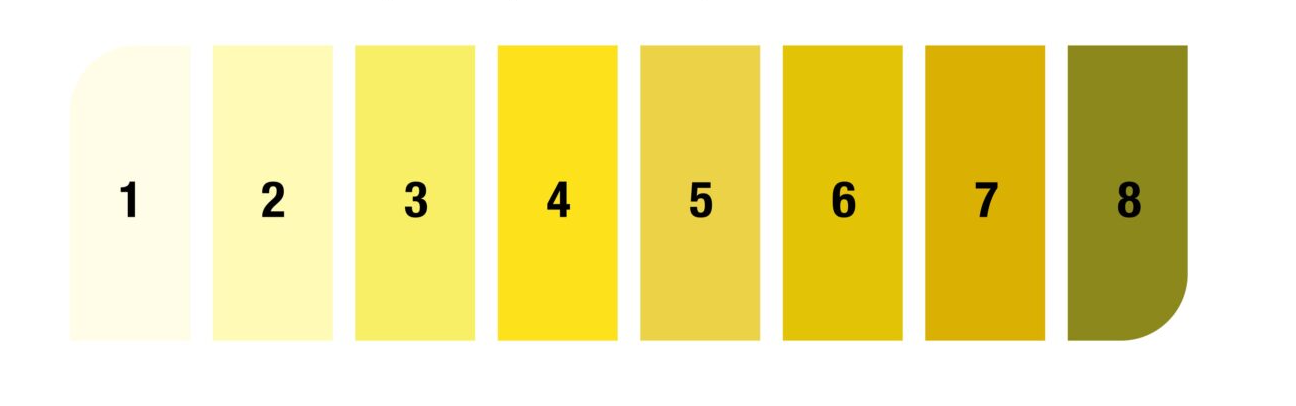
Prof. Lawrence E. Armstrong Scale
A urine color scale to help assess your body's hydration level.
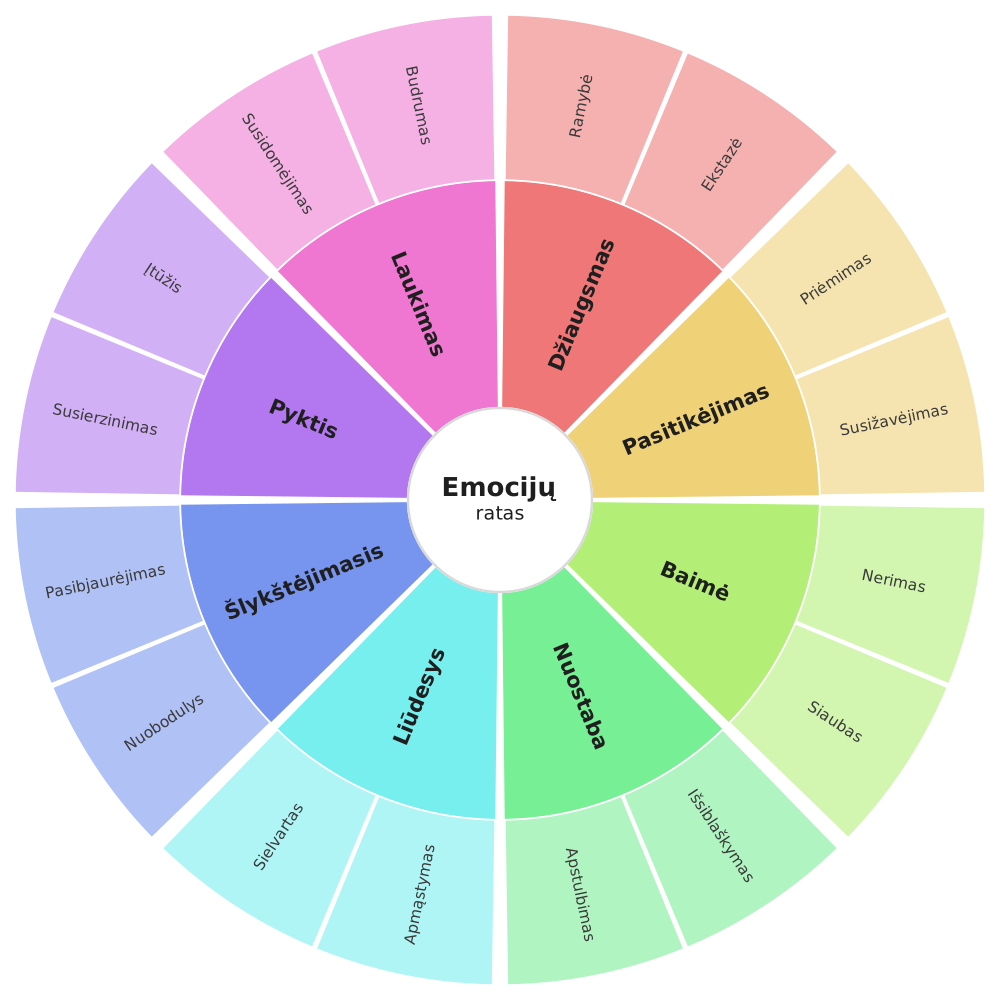
Wheel of Emotions
A visual tool to recognize and name emotions, based on Robert Plutchik's Wheel of Emotions – one of the best-known and most widely used emotion models in psychology worldwide. Eight core emotions are arranged in opposing pairs, each shown from a milder to a more intense shade.
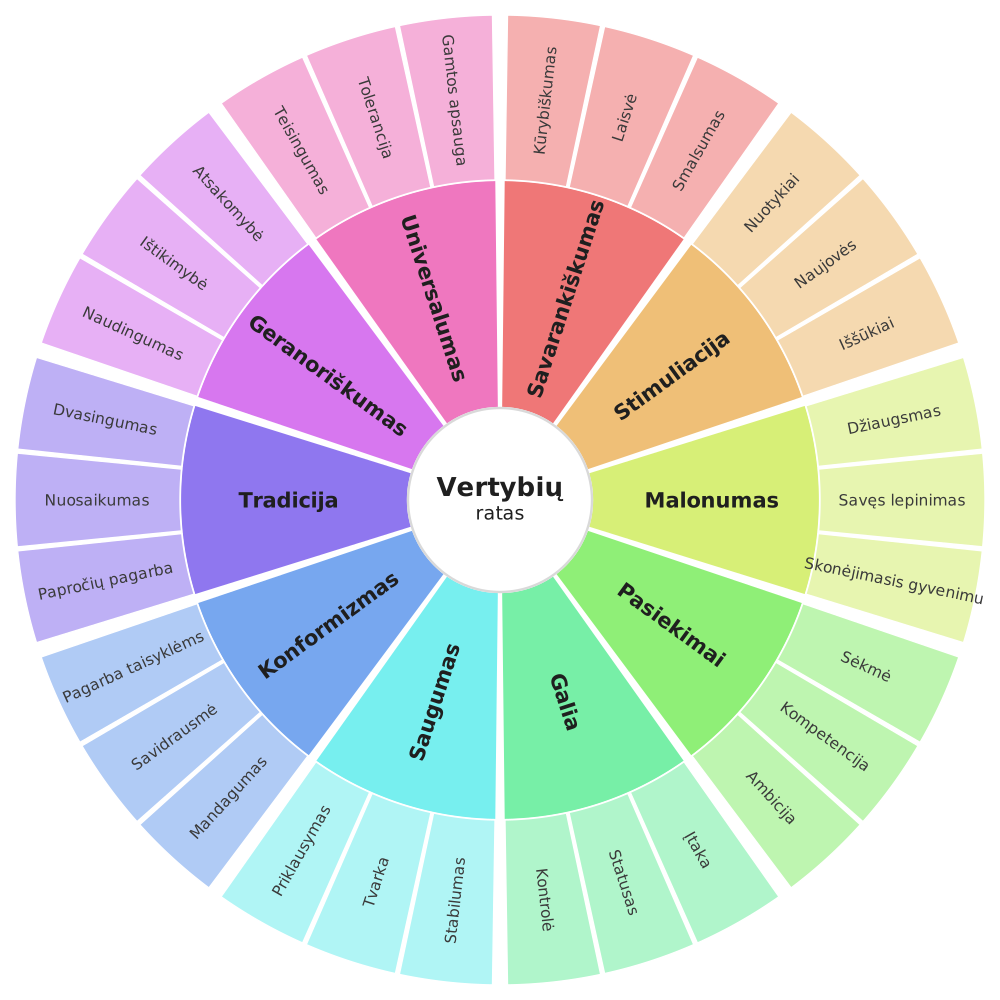
Values Wheel
A visual tool to recognize and name your core values – based on Shalom Schwartz's Theory of Basic Human Values, a scientifically grounded model validated in over 80 countries.